Installing a Home EV Charger in Columbia, TN: Why More Drivers Are Choosing Level 2 Charging
Columbia and Spring Hill TN: Has seen a significant increase in EV sales.
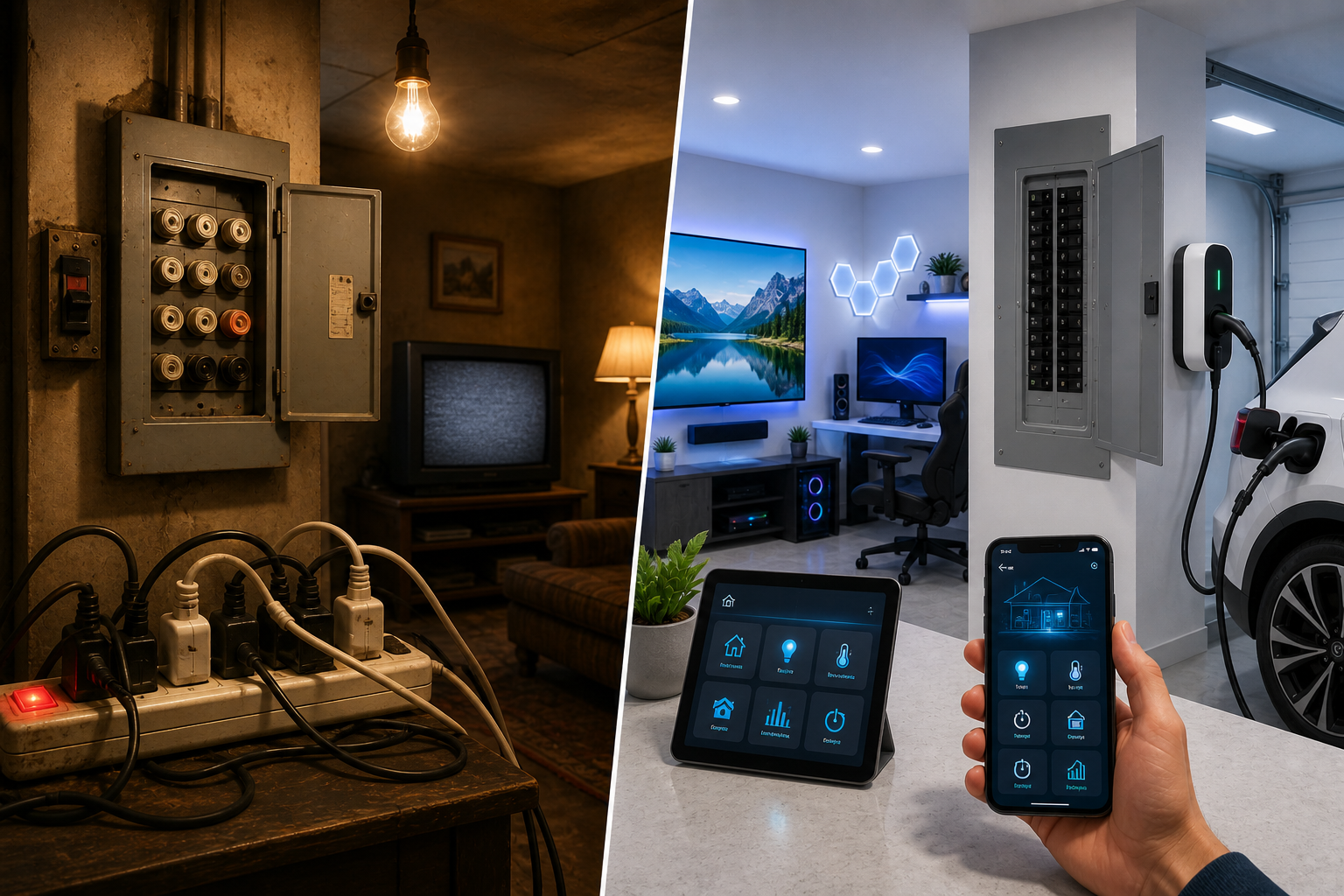
Electric vehicle ownership is climbing in Tennessee, and homeowners across Columbia, Spring Hill, Lewisburg, and surrounding Middle Tennessee communities are looking for a faster, smarter, and more reliable way to charge at home. For most households, a professionally installed Level 2 EV charger is quickly becoming the preferred solution.
As more Tennessee drivers switch to EVs, home charging is becoming less of a luxury and more of a daily convenience upgrade.
Level 2 chargers are popular because they charge much faster than a standard outlet and can often recharge most EVs overnight.
A licensed electrician helps match the charger, circuit size, panel capacity, and installation location to your home and vehicle.
Tennessee EV growth is driving demand for better home charging
Tennessee is seeing strong EV growth, which is one reason more property owners are planning for dedicated charging at home. As electric vehicles become more common, homeowners want charging that fits real life: dependable overnight performance, lower hassle, and equipment that works with the way modern homes are managed.
In practical terms, that means the conversation is shifting away from “Can I plug into a normal outlet?” to “What is the right Level 2 charger for my vehicle, my panel, and my daily schedule?”
Why Level 2 chargers are trending
A Level 2 EV charger uses 240-volt power instead of a basic 120-volt outlet. That upgrade makes a major difference in charging speed. For drivers who use their EV every day, Level 2 charging is simply more practical. Instead of slow trickle charging, you get a setup designed for routine overnight charging and quicker turnaround between trips.
Faster charging for everyday convenience
Many newer home chargers are moving toward 40A, 48A, or 50A-capable installations because households want more charging speed. In many cases, that means most EVs can be charged overnight and roughly 6 to 8 times faster than a standard wall outlet, depending on the vehicle and charging setup.
Smart Wi-Fi features are becoming a must-have
One of the biggest reasons homeowners choose modern Level 2 equipment is smart control. Many chargers now connect to Wi-Fi and pair with mobile apps that make charging easier to manage and easier to understand.
See how much electricity your EV charging uses so you can better understand monthly operating costs.
Set charging times for evenings or other lower-cost periods when your utility rates are more favorable.
Receive updates when charging starts, stops, or completes so your vehicle is ready when you need it.
For busy families and professionals, these app-based features turn charging into something that feels automatic instead of something you have to think about every day.
Indoor or outdoor installation? Durability matters.
Not every EV charger is going inside a climate-controlled garage. In Columbia, TN and surrounding areas, many homeowners want chargers mounted in carports, driveways, detached garages, or exterior wall locations. That is why weather resistance is a major buying factor.
High-rated, weather-resistant chargers designed for indoor or outdoor use are especially popular because they hold up better to moisture, changing temperatures, and daily wear. A professional installation also helps protect the long-term performance of the unit by addressing mounting, wiring method, breaker sizing, and location planning.
Bottom line: a home EV charger should not just be fast. It should also be safe, durable, and installed where it works best for your property.
The smart home connection is growing
Another trend driving Level 2 charger installations is energy management. Homeowners are paying more attention to how EV charging fits into the full electrical picture of the house. Some want to coordinate charging with solar. Others want to better manage panel capacity, reduce peak demand, or build a more efficient smart home setup.
That is where charger selection and installation quality matter. The right setup can support future upgrades, smarter control, and a cleaner overall electrical plan instead of becoming a patchwork add-on later.
Common questions about home EV charger installation
How much faster is a Level 2 charger than a regular outlet?
A Level 2 charger is dramatically faster than a standard 120V outlet. For many households, that means overnight charging is realistic, while a normal wall outlet can be too slow for daily driving needs.
Can a charger be installed outside?
Yes, many modern chargers are built for outdoor use. The key is choosing properly rated equipment and having it installed correctly for the location.
Do I need Wi-Fi on my EV charger?
Not always, but many homeowners prefer it. Wi-Fi-enabled chargers can help you monitor usage, schedule charging, and receive notifications, which adds convenience and can help manage energy costs.
Should I install a 32A, 40A, or 48A charger?
That depends on your EV, driving habits, electrical panel capacity, and available circuit size. A licensed electrician can help you choose a charger that fits your home safely and makes sense for long-term use.
Ready to install a home EV charger in Columbia, TN?
State Line Electrical LLC installs EV chargers for homeowners and businesses in Columbia, Spring Hill, Maury County, Lewis County, Marshall County, Lawrence County, Wilson County, Giles County, Lewisburg, and surrounding areas. If you want a safer, faster, and smarter charging setup, now is a great time to plan it.
Free EV Charger Estimate Call (931) 922-3441Recent Posts