
Why Does My Circuit Breaker Keep Tripping During a Heatwave?
July 1, 2026
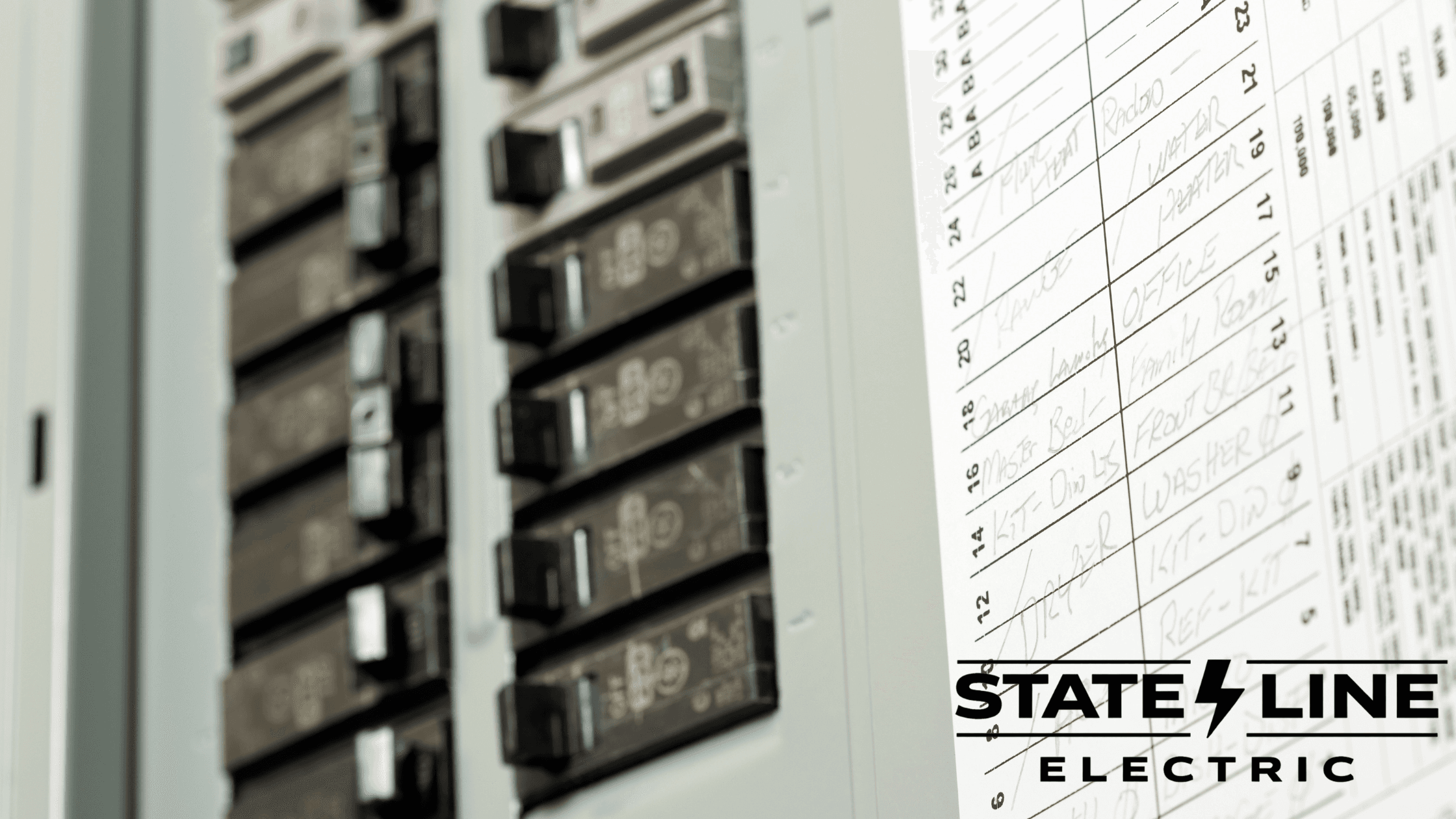
Your AC is running, the refrigerator is humming, the fans are spinning — and then click. The breaker trips. Again. If this sounds familiar, you're not alone. During a heatwave in Columbia and Southern Middle Tennessee, electrical panels across the region take a beating — and circuit breakers are the first thing to show it.
The good news: a tripped breaker is doing exactly what it's designed to do. It's protecting your home. The important question is why it keeps tripping — because the answer determines whether this is a minor inconvenience or a serious electrical warning that needs professional attention before it becomes a safety hazard.
At State Line Electric, we handle more breaker-related calls in July and August than any other time of year. Here's what we see most often — and what you need to know.
What a Circuit Breaker Actually Does
Before diving into causes, it helps to understand what's happening when a breaker trips. A circuit breaker is a safety device — it monitors the amount of electrical current flowing through a circuit and automatically shuts off when that current exceeds a safe level. This prevents wiring from overheating, which is one of the leading causes of house fires.
When a breaker trips, it's not malfunctioning. It's working. The problem is whatever caused it to trip in the first place. Resetting a tripped breaker without understanding why it tripped is like silencing a smoke alarm without checking for fire. It may be fine — or it may not be.
The Most Common Reasons Breakers Trip During a Heatwave
1. Overloaded Circuits
This is the most common cause — and heatwaves make it worse. When outdoor temperatures push into the upper 90s across Middle Tennessee, every cooling device in your home runs simultaneously: central AC, window units, fans, refrigerators working harder, and freezers running longer. If all of that lands on the same circuit, it will trip.
A standard 15-amp circuit can safely handle about 1,800 watts of continuous load. A single window AC unit can draw 1,200–1,500 watts on its own. Add a fan and a lamp and you've exceeded the circuit's capacity. The breaker trips to prevent the wiring from overheating.
2. Your Panel Is Undersized for Modern Loads
Many homes in Columbia and the surrounding area were built in the 1970s, 80s, and 90s with 100-amp electrical panels — sized for the appliance loads of that era. Today's homes run central AC, EV chargers, multiple refrigerators, home offices, smart home devices, and large televisions simultaneously. A 100-amp panel simply wasn't designed for that demand.
During a heatwave when every circuit is pushed to its limit, an undersized panel reveals itself through repeated tripping, warm breakers, and breakers that won't stay reset. This is one of the most important warning signs that a panel upgrade is overdue.
3. A Dedicated Circuit Issue With Your AC
Central air conditioning units should always be on a dedicated circuit — meaning that circuit powers nothing else. If your AC shares a circuit with other appliances, or if the dedicated circuit is undersized for your unit's amperage draw, the breaker will trip repeatedly under heavy load. This is especially common in older homes where the electrical system hasn't kept pace with HVAC upgrades.
4. A Failing or Worn-Out Breaker
Breakers don't last forever. After years of repeated tripping and resetting, the internal mechanism weakens — and a weakened breaker may trip at loads well below its rated capacity. If a specific breaker trips repeatedly even when the load seems reasonable, the breaker itself may need to be replaced. This is a straightforward fix for a licensed electrician.
5. Loose or Corroded Wiring Connections
Heat accelerates the expansion and contraction of electrical components — and over time, this can loosen wiring connections at outlets, switches, junction boxes, and the panel itself. Loose connections create resistance, which generates heat, which can trip a breaker or — more seriously — cause arcing that starts a fire. If your breaker trips along with flickering lights or warm outlets, loose connections may be the cause.
6. A Short Circuit
A short circuit occurs when a hot wire contacts a neutral wire, causing a sudden surge of current that immediately trips the breaker. Unlike an overload, which builds gradually, a short circuit causes an instant trip — often accompanied by a popping sound or a brief flash. If your breaker trips the moment you plug in an appliance or flip a switch, a short circuit in that device or circuit may be the cause.
Warning: don't keep resetting a repeatedly tripping breaker. If a breaker trips more than once without a clear explanation — especially if it trips immediately after resetting — stop resetting it and call a licensed electrician. A breaker that won't stay on is telling you something is wrong. Forcing it to stay on by repeatedly resetting it bypasses the very protection it's designed to provide.
Heatwaves and Electrical Panels: A Dangerous Combination
Here's something many homeowners don't realize: extreme heat doesn't just affect your AC — it directly affects your electrical panel's performance.
Electrical panels are rated for operation within specific temperature ranges. When a panel is installed in an unconditioned garage, utility room, or exterior wall, summer heat can push the ambient temperature around the panel well above those ratings. A panel running hot in a hot environment has less margin before a breaker trips — and aging components that might perform adequately in cooler months can fail outright in July.
If your panel is located in a hot, unventilated space, that's worth mentioning to your electrician during any service call.
State Line Electric tip: the single most effective thing most Columbia-area homeowners can do to reduce summer breaker trips is to stagger their high-draw appliances. Run your dishwasher in the evening rather than midday. Avoid running a window unit and a space heater on the same circuit. Small scheduling changes reduce peak load significantly — and give your panel some breathing room during the hottest parts of the day.
When a Tripping Breaker Means You Need a Panel Upgrade
Not every tripping breaker leads to a panel upgrade — but some situations make it the clear right move. Consider a panel upgrade if:
- Your panel is 25+ years old and has never been upgraded
- You have a Federal Pacific, Zinsco, or Pushmatic panel — brands with documented safety issues
- Multiple breakers trip regularly under normal household loads
- You've added an EV charger, hot tub, or major appliance and trips started shortly after
- You're planning to add an EV charger, home addition, or other high-draw equipment
- Your breakers feel warm or you notice a burning smell near the panel
A panel upgrade from 100 amps to 200 amps — or from 200 to 400 amps for larger homes — is one of the most impactful electrical investments a homeowner can make. It resolves recurring tripping issues, brings your home up to current code, and prepares your electrical system for the demands of modern life.
Frequently Asked Questions About Tripping Circuit Breakers
Why does my circuit breaker keep tripping in summer?
The most common reasons circuit breakers trip repeatedly in summer are overloaded circuits from running AC units and multiple appliances simultaneously, an undersized electrical panel that can't handle modern loads, a failing or worn breaker, loose wiring connections, or a dedicated circuit issue with your AC unit. If a breaker trips more than once, it should be evaluated by a licensed electrician.
Is it dangerous if my breaker keeps tripping?
Yes — a repeatedly tripping breaker is a warning sign that should not be ignored. Breakers trip to protect your home from overheating wiring and potential electrical fires. If a breaker trips repeatedly, the underlying cause needs to be identified and corrected by a licensed electrician before damage or a fire hazard develops.
Can I just reset my tripped breaker and ignore it?
Resetting a breaker once after an obvious overload — like running too many appliances at once — is generally safe. But if your breaker trips repeatedly without a clear cause, or if it trips again immediately after resetting, do not keep resetting it. Call a licensed electrician to diagnose the underlying problem.
Why does my AC keep tripping the breaker?
Your AC may be tripping its breaker due to a dirty air filter restricting airflow and causing the unit to overwork, a refrigerant issue, a failing capacitor or compressor drawing excessive current, an undersized circuit breaker for the unit's amperage, or a shared circuit that's overloaded. Start by checking your air filter. If the problem persists, both your HVAC technician and electrician may need to evaluate the system.
How do I know if I need a panel upgrade?
Signs you may need a panel upgrade include multiple breakers tripping regularly, a panel that's 25+ years old, warm or discolored breakers, a burning smell near your panel, or an inability to add circuits for new appliances or an EV charger without overloading the system. A licensed electrician can assess your panel and recommend the right solution.
What is the difference between a tripped breaker and a blown fuse?
A tripped breaker can be reset by flipping the switch back to the "on" position. A blown fuse must be physically replaced. Most homes built after the 1960s use circuit breakers rather than fuses. If your home still uses a fuse box, it's a strong sign the electrical system is overdue for an upgrade.
Does State Line Electric handle breaker and panel issues in Columbia, TN?
Yes. State Line Electric provides circuit troubleshooting, breaker repairs, and full panel upgrades for homeowners and businesses throughout Columbia and Southern Middle Tennessee. Contact us to schedule a service call.
Ready to plan your project?
Get a free estimate from a licensed master electrician serving Columbia and Southern Middle Tennessee.